
Fire Safety: Preventing Microwave Oven Fires
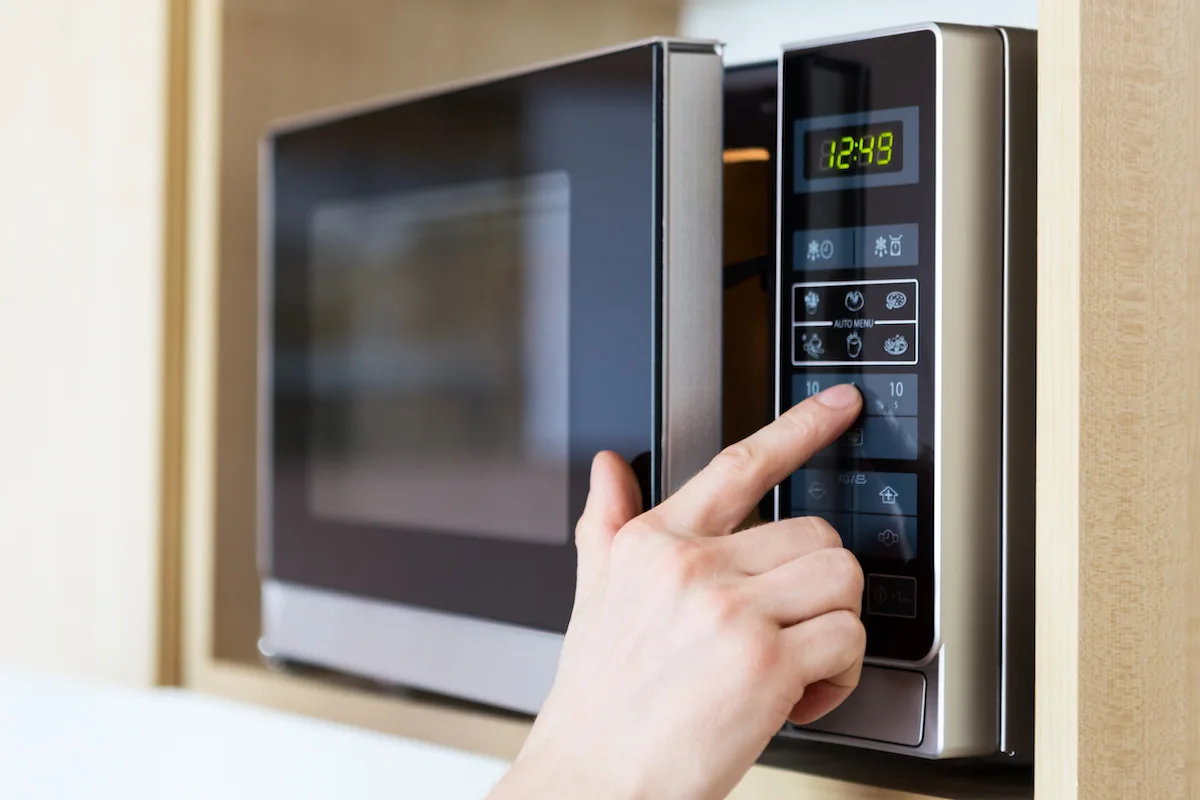
Microwave fire safety starts with using the right containers, keeping metal out of the appliance, cleaning food buildup regularly, and knowing what to do if a fire starts. If a microwave catches fire, turn it off, unplug it only if safe, keep the door closed, and wait for the flames to go out. If smoke or fire damage affects your home, Purofirst provides professional fire and smoke damage restoration in Washington DC.
What Is Microwave Fire Safety?
Microwave fire safety means using a microwave oven in a way that reduces the risk of sparks, smoke, overheating, and household fires. Most microwave fires are preventable when homeowners follow the manufacturer’s instructions, use microwave-safe materials, and avoid unsafe items such as metal, aluminum foil, and certain paper products.
A microwave is convenient, but it is still an electrical appliance that creates heat. Food residue, unsafe containers, unattended cooking, and improper power connections can all increase the risk of a kitchen fire.
Why Microwave Ovens Can Become Fire Hazards
Microwave ovens heat food quickly, but that convenience can make people careless. A fire can start when materials overheat, containers spark, or food burns inside the appliance.
The most common causes of microwave oven fires include metal objects, aluminum foil, recycled paper products, overheated popcorn, food splatter buildup, and improper use of extension cords. Children using a microwave without supervision can also increase the risk of accidental misuse.
The National Fire Protection Association recommends keeping cooking areas clear and paying attention while cooking. That same principle applies to microwave use, especially when heating foods that can burn quickly.
Microwave Fire Safety Tips for Everyday Use
The best way to prevent a microwave fire is to use the appliance exactly as intended. Always read the manufacturer’s installation and operating instructions before using a new microwave, especially if it has unfamiliar settings or power levels.
Plug the microwave directly into a wall outlet. Do not use an extension cord, because the appliance may draw more power than the cord can safely handle. If the outlet or cord feels hot, stop using the microwave and have the issue checked.
Use only containers labeled microwave-safe. Glass, ceramic, and approved plastic containers are usually safer choices, but you should always check the label first. Never place aluminum foil, metal utensils, twist ties, or containers with metallic trim inside the microwave.
Children should be supervised when using a microwave oven. Even if the appliance seems simple to operate, children may choose the wrong setting, use the wrong container, or heat food for too long.
Items You Should Never Put in a Microwave
Some materials can spark, melt, smoke, or ignite when exposed to microwave energy. Knowing what to avoid is one of the most important parts of microwave fire prevention.
Never place aluminum foil, metal utensils, or containers with metallic trim inside a microwave. Metal can cause sparks, arcing, appliance damage, and even fire. This includes forks, spoons, twist ties, takeout containers with metal handles, and decorative dishes with gold or silver edges.
Avoid using recycled paper products unless the label clearly says they are microwave-safe. Some recycled paper towels, plates, or napkins may contain tiny metal flecks that are not visible but can still spark during heating.
Do not use a microwave to dry or sterilize clothes, blankets, fabric items, or baby bottles. These materials can overheat, melt, smoke, or catch fire once heated. Non-microwave-safe plastic should also be avoided because it can melt, warp, or release unsafe substances into food.
How to Reduce Fire Risk When Heating Food
Food can burn in a microwave if it is cooked too long or heated at too high a power level. Popcorn is one of the most common examples because some microwaves can scorch it in just a few minutes.
When heating popcorn, follow the package instructions and start with the minimum recommended time. Stay nearby while it cooks, and stop the microwave if you smell burning or hear popping slow significantly.
Food splatter can also increase fire risk over time. Grease, crumbs, and residue can heat repeatedly and eventually smoke or burn. Cleaning the inside of the microwave regularly is a simple way to improve kitchen fire safety.
Before cleaning, unplug the microwave if possible. Wipe the interior walls, turntable, door seal, and outer edges where food particles can collect. Do not use harsh cleaning methods that could damage the appliance.
What to Do If a Microwave Catches Fire
If a microwave catches fire, the most important step is to keep the door closed. Opening the door can add oxygen and make the fire worse.
Turn the microwave off immediately. If it is safe to reach the plug, unplug the appliance from the wall. Do not try to remove the burning item while flames or heavy smoke are present.
Wait for the fire to die out inside the closed microwave. If the fire spreads, smoke fills the room, or you feel unsafe, leave the home and call emergency services.
After the incident, do not reuse the microwave until it has been inspected or replaced. Even a small microwave fire can damage the appliance and leave smoke residue in the kitchen.
Microwave Fire Safety in Washington DC Homes
Homes and apartments in Washington DC often have compact kitchens, shared walls, and limited ventilation. That makes fast fire prevention and response especially important. A small appliance fire can spread smoke odors, soot, and residue beyond the immediate cooking area.
If a microwave fire produces smoke, soot, or odor inside your home, professional cleanup may be needed. Smoke particles can settle on cabinets, walls, ceilings, vents, and nearby belongings. Without proper cleaning, odors may remain even after the appliance is removed.
Purofirst helps Washington DC homeowners respond after fire and smoke damage. Professional restoration can include smoke odor removal, soot cleaning, surface cleaning, and help reducing further damage after a kitchen fire.
When to Call Purofirst for Fire and Smoke Damage Restoration
You should contact Purofirst if a microwave fire leaves visible soot, lingering smoke odor, stained walls, damaged cabinets, or smoke residue in nearby rooms. Even if the flames were contained inside the appliance, smoke can travel quickly through the kitchen and surrounding spaces.
Purofirst provides fire and smoke damage restoration services for homes and businesses in Washington DC. The team can assess the affected area, clean damaged surfaces, address smoke odors, and help restore your property after a fire event.
For professional fire and smoke damage restoration in Washington DC, contact Purofirst of Metropolitan Washington at (800) 500-2399.
FAQs About Microwave Fire Safety
What causes microwave fires?
Microwave fires are often caused by metal objects, aluminum foil, overheated food, unsafe containers, food residue, or recycled paper products that are not microwave-safe. Popcorn, grease buildup, and unattended cooking can also increase the risk.
What should I do if my microwave catches fire?
Turn off the microwave, keep the door closed, and unplug it only if it is safe to do so. Do not open the door while flames or smoke are inside. If the fire spreads or you feel unsafe, leave the home and call emergency services.
Can I put aluminum foil in the microwave?
No, aluminum foil should not be placed in a microwave. It can cause sparks, damage the appliance, and create a fire hazard. Use only containers and covers labeled microwave-safe.
Is it safe to use paper towels in the microwave?
Some paper towels are microwave-safe, but recycled paper products may contain tiny metal particles that can spark. Always check the product label before using paper towels, plates, or napkins in a microwave.
Should I use a microwave after it catches fire?
No, you should not continue using a microwave after a fire until it has been inspected or replaced. Fire can damage internal components, and smoke residue may remain inside the appliance.
Final Summary
- Microwave fire safety means using the appliance correctly, choosing microwave-safe containers, and keeping unsafe materials out of the oven.
- Metal, aluminum foil, recycled paper products, fabric, and non-approved containers can increase the risk of sparks or fire.
- Popcorn and other quick-cooking foods should be monitored closely because they can burn fast.
- Regular cleaning helps reduce grease, crumbs, and food residue that may smoke or ignite.
- If a microwave catches fire, turn it off, keep the door closed, and unplug it only if safe.
- Smoke and soot from a microwave fire can affect cabinets, walls, ceilings, and nearby rooms.
- Call Purofirst at (800) 500-2399 for fire and smoke damage restoration in Washington DC.
Explore more blogs:
The Purofirst Method: Our Fire Damage Restoration Process
Apartment Fire Calls For Emergency Restoration Services in Washington, D.C.
Purofirst Performed Fire Damage Restoration of Virginia Home


Leave a Reply