
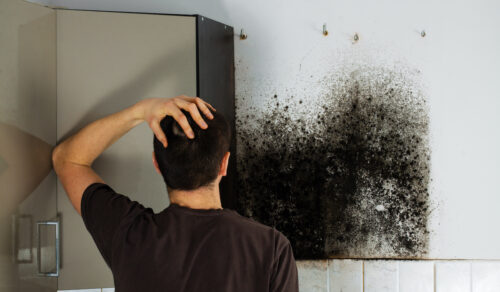
What Causes Mold in Homes?
What causes mold in homes is excess moisture. When moisture combines with organic materials like drywall, wood, or carpet—and the space remains warm with limited airflow—mold can begin growing within 24 to 48 hours.
Mold spores are naturally present indoors, but they only become a problem when environmental conditions allow them to grow. Understanding where moisture comes from is the key to preventing mold-related health issues and property damage.
What Is Mold and Why It Grows Indoors
Mold is a type of fungus that reproduces through microscopic airborne spores. These spores are present almost everywhere, both outdoors and indoors. On their own, spores are not harmful, but when they land on damp surfaces with organic material, mold growth can begin.
Outdoors, mold plays an important role in breaking down organic matter. Indoors, however, mold can damage building materials and negatively affect indoor air quality when moisture problems go unresolved.
The Main Answer to What Causes Mold in Homes
Mold growth depends on several conditions, but moisture is the most important factor. Homes already contain suitable food sources such as drywall, wood framing, carpet fibers, and household dust. Warm temperatures and time allow mold to spread once moisture is present.
Because of this, moisture problems in homes are responsible for nearly all indoor mold issues. Eliminating moisture stops mold growth at its source.
Flooding and Water Damage
Flooding introduces large amounts of water into a home in a very short period of time. When walls, flooring, and furnishings become saturated, mold can begin growing within one to two days if drying does not happen quickly.
This is one of the most common ways mold growth after water damage occurs, especially when homeowners are unaware of the extent of the moisture or delay cleanup.
High Indoor Humidity
Mold does not always require visible water leaks to grow. Excess humidity in the air can be enough to support mold growth over time. Activities such as cooking, showering, and drying clothes indoors add moisture to the air, particularly during humid weather.
When indoor humidity stays elevated, high humidity mold problems can develop on walls, ceilings, and furnishings even in the absence of leaks.
Poor Ventilation
Inadequate ventilation allows moisture to linger inside the home instead of being carried outdoors. Bathrooms, kitchens, laundry rooms, and closets are especially vulnerable when airflow is limited.
Poor ventilation is one of the most overlooked indoor mold causes, particularly in newer or tightly sealed homes designed for energy efficiency.
Plumbing Leaks
Leaking pipes are a leading cause of mold, especially when the leak is hidden inside walls or beneath floors. Small, slow leaks can go unnoticed for long periods while continuously feeding moisture into building materials.
Over time, this leads to hidden mold from leaks, often discovered only after staining, odors, or structural damage appear.
Roof Leaks and Attic Moisture
Roof damage allows rainwater to enter the home through ceilings and attic spaces. Water intrusion in these areas often goes undetected until mold growth is well established.
Stains on ceilings, peeling paint, or damp insulation are common warning signs that roof-related moisture may be contributing to mold growth.
Condensation on Cold Surfaces
Condensation forms when warm, moisture-laden air comes into contact with cooler surfaces. This commonly occurs on windows, exterior walls, concrete floors, and metal pipes.
Without proper humidity control or insulation, condensation can repeatedly wet surfaces and lead to ongoing condensation mold issues.
Basements and Crawl Spaces
Basements and crawl spaces provide ideal conditions for mold due to limited airflow, cooler temperatures, and frequent exposure to groundwater or leaks. These areas often experience flooding, seepage, or condensation that goes unnoticed.
As a result, basements are one of the most common locations for persistent mold in homes.
How to Reduce the Risk of Mold Growth
Preventing mold starts with controlling moisture. Addressing leaks promptly, managing indoor humidity, improving ventilation, and drying water-damaged areas quickly all reduce the likelihood of mold growth.
Routine inspections of basements, attics, and plumbing systems help catch problems early, before mold becomes established.
FAQs About What Causes Mold in Homes
Can mold grow without water leaks?
Yes. High humidity and condensation alone can support mold growth even when no leaks are present.
How fast can mold grow after water damage?
Mold can begin growing within 24 to 48 hours if moisture is not removed.
Is mold always visible?
No. Mold often grows behind walls, under flooring, or inside insulation where it cannot be seen.
Does cleaning mold solve the problem permanently?
No. Mold will return unless the underlying moisture source is fixed.
Is mold dangerous to health?
Mold exposure can cause respiratory irritation, allergic reactions, and worsen asthma, especially for sensitive individuals.
Professional Help for Mold Problems
Mold frequently develops in hidden or difficult-to-access areas, making complete removal challenging without professional tools and training. Effective remediation requires identifying both the mold and the moisture source that caused it.
Purofirst provides professional mold remediation and water damage restoration to help restore healthy indoor conditions.
Call Purofirst for Mold Removal Services
If you’re concerned about what causes mold in homes or suspect mold growth in your property, Purofirst is here to help. Contact us at 800-500-2399. Our experienced technicians locate moisture sources, remove mold safely, and help prevent future growth.
Key Takeaways
- What causes mold in homes is almost always excess moisture
- Flooding and leaks create rapid mold growth
- High humidity and poor ventilation increase risk
- Mold often grows out of sight
- Moisture control is the most effective prevention strategy
- Professional remediation addresses both mold and its cause


Leave a Reply