
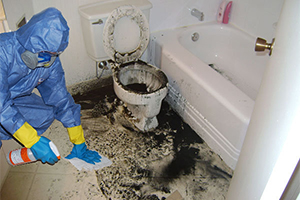
The Dangers of Sewage Backup
The dangers of sewage backup go beyond bad odors and dirty water. Sewage may contain bacteria, viruses, parasites, chemicals, and waste that can affect health, damage building materials, and create unsafe conditions inside a home or business. If sewage enters your property in Washington DC, avoid contact, keep people and pets away, and call a professional cleanup team as soon as possible.
What Is Sewage Backup?
Sewage backup happens when wastewater flows backward into a property instead of draining away through the sewer or plumbing system. It can enter through toilets, tubs, sinks, floor drains, basement drains, or other plumbing fixtures.
This type of water is considered highly contaminated because it may contain human waste, organic matter, pathogens, and other pollutants. Unlike a clean water leak from a supply line, sewage water damage requires specialized cleaning, removal, drying, and disinfection.
For property owners, the main concern is not just removing the visible water. The affected area must be handled safely because contamination can spread to floors, walls, furniture, contents, and HVAC-adjacent areas.
The Main Dangers of Sewage Backup
Understanding the dangers of sewage backup helps property owners respond quickly and avoid unsafe cleanup attempts. Sewage contamination can affect both health and property, especially when it sits for several hours or spreads into porous materials.
1. Health Hazards From Sewage Exposure
The most serious risk is direct exposure to contaminated water. Sewage cleanup hazards may include bacteria, viruses, parasites, and other harmful organisms that can cause illness, especially if the water touches skin, enters cuts, or contaminates surfaces used for food preparation.
Children, older adults, people with weakened immune systems, and people with respiratory conditions may be more vulnerable. Even if the water looks shallow or partially dried, contaminated residue can remain on surfaces.
Do not walk through sewage water unless it is necessary for safety. Avoid touching affected materials, and do not allow pets into contaminated areas.
2. Damage to Floors, Walls, and Building Materials
Sewage water damage can quickly affect flooring, drywall, baseboards, cabinets, insulation, and structural materials. Porous materials can absorb contaminated water and may not be safe to clean on the surface only.
Carpet, padding, upholstered furniture, and some drywall may need removal depending on the extent of contamination. If sewage spreads behind walls or under flooring, hidden moisture can continue damaging materials even after the visible water is gone.
Fast cleanup helps reduce the amount of demolition, drying, and reconstruction needed.
3. Electrical and Fire Risks
Sewage backup can create electrical hazards when water reaches outlets, cords, appliances, panels, or wiring. Standing water and electricity are a dangerous combination.
If sewage enters an area with electrical equipment, avoid entering the space until it is safe. Do not plug in equipment, use wet appliances, or turn on lights in affected areas if you suspect electrical exposure.
Water can also damage electrical systems in ways that increase fire risk later. A qualified professional should evaluate affected electrical components when needed.
4. Strong Odors and Indoor Air Quality Issues
Sewage produces strong odors because it contains waste, organic matter, and bacteria. These odors can spread through rooms and may linger if contaminated materials are not removed or cleaned properly.
Odor alone is not the only issue. The same conditions that create sewage odors can also affect indoor air quality. Professional cleanup may include removal of contaminated materials, cleaning, disinfection, drying, and odor control.
5. Mold and Mildew Growth
Sewage backup usually creates both contamination and moisture. When wet materials are not dried quickly, mold after sewage backup can become a secondary problem.
Drywall, carpet, wood, insulation, and stored items can support mold growth if moisture remains. This is why cleanup should address both contamination and drying. Removing the water without fully drying the structure can leave hidden problems behind.
6. Environmental Contamination
Sewage backup can also affect areas outside the immediate room. Contaminated water may spread into soil, floor cavities, crawl spaces, storm drains, or nearby outdoor areas.
If sewage reaches exterior spaces, it should be handled carefully to reduce further contamination. Improper disposal of contaminated materials can create additional environmental and sanitation concerns.
7. Financial Loss and Property Disruption
The financial impact of a sewage backup can be significant. Cleanup may involve water extraction, removal of contaminated materials, drying, disinfection, odor control, contents disposal, and repairs.
Personal belongings stored on the floor, especially in basements, can be damaged quickly. Documents, clothing, rugs, furniture, and porous items may not always be salvageable after sewage exposure.
What to Do After a Sewage Backup
A sewage backup should be treated as an emergency cleanup situation. The first priority is safety, not saving belongings.
Step 1: Stay Out of the Affected Area
Keep people and pets away from sewage-contaminated areas. If the backup is in a basement, bathroom, laundry room, or commercial space, close off access until help arrives.
Do not attempt to mop or vacuum sewage water with household equipment. Standard vacuums and shop vacs are not designed for contaminated wastewater cleanup.
Step 2: Avoid Electrical Hazards
If water is near electrical outlets, appliances, cords, or panels, do not enter the area. If you can safely shut off power from a dry location, do so. Otherwise, wait for qualified help.
Electrical safety should always come before cleanup.
Step 3: Stop Using Plumbing Fixtures
Do not flush toilets, run sinks, start the dishwasher, or use the washing machine until the source is identified. Continued water use can make the backup worse.
A plumber may be needed to address the cause of the blockage or sewer issue before restoration work can be completed.
Step 4: Call a Professional Cleanup Team
Professional sewage cleanup includes more than water removal. The area must be assessed, contaminated materials must be handled properly, and affected surfaces must be cleaned, disinfected, dried, and monitored.
Purofirst helps Washington DC property owners address sewage-related water damage, contamination, odor, and restoration needs after a backup.
Common Causes of Sewage Backup
Sewage backups can happen for several reasons. Some are related to the property’s plumbing system, while others involve municipal sewer lines or weather-related overload.
Common causes include clogged sewer lines, tree root intrusion, collapsed or damaged pipes, heavy rain overwhelming sewer systems, blocked drains, aging plumbing, and improper disposal of grease, wipes, or other materials.
If backups happen repeatedly, the plumbing system should be inspected to identify the source. Cleanup addresses the damage, but the cause must also be corrected to reduce the risk of another event.
FAQs About Sewage Backup
Is sewage backup dangerous?
Yes. Sewage backup is dangerous because it can contain waste, bacteria, viruses, parasites, and other contaminants. Avoid contact and keep people and pets away from affected areas until cleanup is complete.
Can I clean up sewage backup myself?
Small, clean water spills may be manageable, but sewage backup is different because it involves contamination. Professional cleanup is strongly recommended because affected materials may need removal, disinfection, drying, and safe disposal.
What should I do first after sewage backs up?
Stay out of the affected area, avoid contact with the water, stop using plumbing fixtures, and call a professional cleanup company. If electricity may be involved, do not enter the area.
Can sewage backup cause mold?
Yes. Mold after sewage backup can develop when wet materials are not dried quickly and properly. Drywall, flooring, carpet, insulation, and wood are especially vulnerable.
What items can be saved after sewage backup?
Non-porous items may sometimes be cleaned and disinfected, depending on the level of contamination. Porous items like carpet, padding, upholstered furniture, and paper goods are often difficult or unsafe to restore after sewage exposure.
Call Purofirst for Sewage Backup Cleanup in Washington DC
The dangers of sewage backup make fast professional cleanup important for both health and property protection. If sewage has entered your home or business, do not handle the contaminated area yourself.
Contact Purofirst in Washington DC at 800-500-2399 for professional sewage cleanup, water damage remediation, drying, disinfection, and restoration support. Our team is available to help restore safer conditions after sewage-related property damage.
Key Takeaways
- The dangers of sewage backup include health risks, contamination, property damage, odors, and mold growth.
- Sewage water damage requires professional cleanup because the water may contain harmful contaminants.
- Avoid contact with sewage and keep children, pets, and vulnerable individuals away from affected areas.
- Electrical hazards are a major concern when sewage reaches outlets, appliances, or wiring.
- Porous materials may need removal if they absorb contaminated water.
- Fast cleanup helps reduce structural damage, odor problems, and mold after sewage backup.
- For sewage backup cleanup in Washington DC, contact Purofirst at 800-500-2399.
Explore our related blogs:
Thunderstorm Safety Tips: Stay Safe During Severe Weather
Pool Safety Checklist From Purofirst


Leave a Reply