
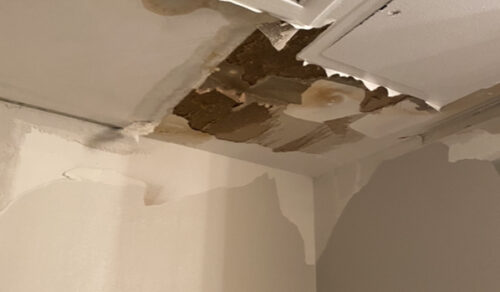
Rooftop Pool Causes Water Damage in a West End Condo
A rooftop pool leak can cause severe structural and water damage in a condominium or commercial building within hours. Water can travel through walls, ceilings, elevator shafts, and utility spaces, affecting multiple floors before the source is fully identified. In Washington, DC, where many multi-story condos and mixed-use properties rely on rooftop amenities, fast restoration is critical to prevent mold growth, structural weakening, and expensive long-term repairs.
At Purofirst, we recently responded to a major rooftop pool leak in a condominium located in the West End neighborhood of Washington, DC. The damage extended from the ninth floor all the way to the basement, requiring immediate professional water damage restoration.
How a Rooftop Pool Leak Causes Major Property Damage
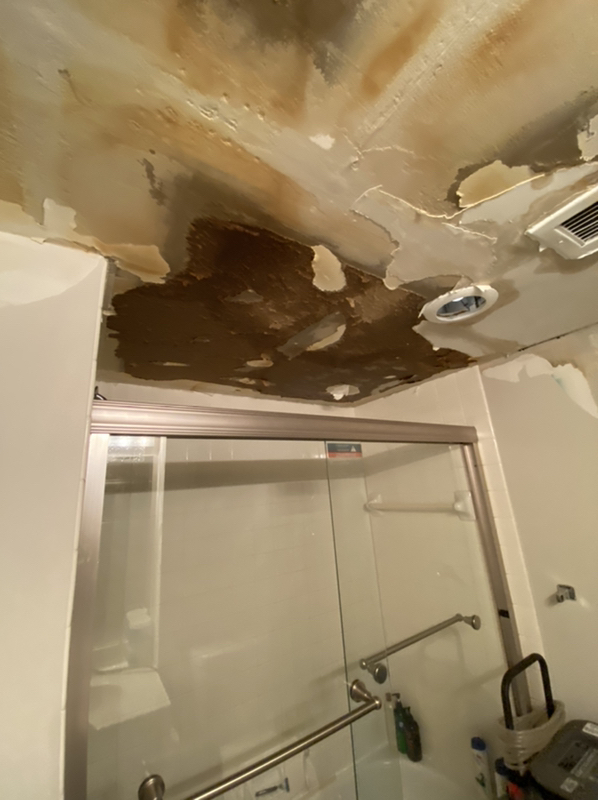
A rooftop pool leak is far more serious than a standard plumbing leak because of the large volume of water involved and the height from which the water travels. When the pool membrane, plumbing line, or drainage system fails, water can move rapidly through walls, ceilings, elevator shafts, and hidden structural spaces, affecting multiple levels of the building.
This type of leak often leads to ceiling and drywall collapse, mold and mildew growth, damaged flooring and carpets, electrical and HVAC exposure, and structural weakening of walls and framing. Furniture, electronics, and personal belongings can also be heavily affected, especially in residential condominium units where water spreads quickly between floors.
According to the Environmental Protection Agency, mold can begin growing within 24 to 48 hours after water exposure, which makes immediate drying and mitigation critical for preventing larger restoration issues.
Real Example: Rooftop Pool Leak in Washington, DC
Purofirst of Metropolitan Washington received an early morning emergency call from a condominium community manager reporting serious damage caused by a rooftop pool leak.
The property, located in the West End neighborhood of Washington, DC, experienced water intrusion from the ninth floor all the way down to the basement. This type of vertical water migration is common with rooftop pool failures because water follows wall cavities, utility shafts, and other hidden structural paths throughout the building.
Our team arrived within 90 minutes to assess the damage and begin emergency mitigation. Using professional-grade dehumidifiers, air movers, and advanced moisture detection equipment, we quickly stabilized the affected areas and helped prevent additional secondary damage.
That fast response made a major difference. The property manager and residents were able to avoid more severe structural repairs, extensive mold remediation, and longer disruptions to daily life.
Why Fast Water Damage Restoration Matters
The first 24 hours after a rooftop pool leak are the most important. Water spreads quickly into drywall, flooring, insulation, and structural framing, often reaching areas that are not immediately visible. Delaying cleanup increases the risk of permanent structural damage, mold contamination, insurance claim complications, higher reconstruction costs, and longer displacement for residents or tenants.
The Institute of Inspection Cleaning and Restoration Certification recommends immediate water extraction, drying, and moisture mapping to reduce long-term restoration costs and prevent avoidable damage.
During the first 24 hours, water typically spreads into walls, flooring, and insulation. Within 24 to 48 hours, mold growth can begin. After 48 to 72 hours, drywall starts swelling, odors develop, and materials begin breaking down. After several days, structural weakening often requires larger reconstruction efforts instead of simple restoration.
Signs of a Rooftop Pool Leak
Property managers and condominium boards should watch for early warning signs that may indicate a rooftop pool leak. Water stains on ceilings or upper-floor walls are often one of the first visible signs. Bubbling paint, peeling drywall, and musty odors in hallways or units may also point to hidden moisture problems.
Unexpected humidity on upper floors, unexplained drops in pool water levels, and cracks near rooftop drainage systems should also be taken seriously. In many Washington, DC condominium buildings, especially older high-rise properties in areas like Dupont Circle, West End, and nearby Bethesda communities, hidden water migration can continue for days before becoming fully visible.
What Property Managers Should Do First
If you suspect a rooftop pool leak, the first step is to shut off water access if possible to stop further intrusion. Restricting access to affected areas helps protect residents and prevents additional safety risks. Visible damage should be documented carefully for insurance purposes, including water stains, ceiling damage, and affected personal property.
The next step is to contact a professional water damage restoration company immediately so moisture inspection and emergency drying can begin. Waiting for visible damage to spread often leads to much larger repair costs because hidden moisture behind walls and under flooring is usually the most expensive part of the restoration.
FAQ: Rooftop Pool Leak Restoration
How much damage can a rooftop pool leak cause?
A rooftop pool leak can affect multiple floors of a building, damaging drywall, ceilings, flooring, HVAC systems, and structural materials. Large condo buildings can experience damage from the roof to the basement.
Does insurance cover rooftop pool leaks?
Coverage depends on the cause of the leak and the building’s policy. Sudden accidental leaks are often covered, while long-term neglected maintenance may not be.
How fast should water damage restoration start?
Immediately. The best practice is to begin within the first 24 hours to reduce mold growth and structural damage.
Can hidden moisture remain after cleanup?
Yes. That is why professional moisture mapping and infrared inspection are important. Surface drying alone is not enough.
Contact Purofirst for Rooftop Pool Leak Restoration
A rooftop pool leak can quickly turn into a major restoration project if not handled fast. Whether you manage a condominium, apartment building, or commercial property in Washington, DC, immediate professional response protects both the building and the people inside it.
Purofirst provides 24/7 emergency water damage restoration for rooftop pool leaks, flooding, and structural water intrusion across Washington, DC and surrounding areas.
Call Purofirst today at (800) 500-2399 for expert help with rooftop pool leaks and emergency water damage restoration.
Quick Summary
- A rooftop pool leak can damage multiple floors quickly
- Mold can begin within 24–48 hours after water exposure
- Fast drying and moisture control reduce major repair costs
- Washington, DC condos with rooftop amenities face higher leak risks
- Professional restoration protects structural integrity and indoor safety
Explore our related blogs:
Protect Hardwood Floors from Water Damage: Useful Tips
Do you know the cost of repairing water damage?
How To Prevent HVAC Water Damage: A Guide From Purofirst
A Christmas Miracle: Three Buildings Saved from Water Damage
Sewer Water Cleanup in Washington, D.C., Apartment Building


Leave a Reply